THE WAY OF
the SAMURAI's
JUJITSU

Samurai Jujitsu: The Ancient Unarmed Combat Art of Feudal Japan
Long before modern combat sports filled arenas, feudal Japan’s warrior class developed a complete system of hand-to-hand combat designed for life-or-death battlefields: Samurai Jujitsu (often spelled Jujutsu or Jiu-Jitsu). Meaning "the gentle art" or "art of yield," Jujitsu served as the ultimate backup system for samurai when disarmed or forced into close-quarters combat.
The Core Philosophy: Winning Through Yielding
The word Ju translates to "gentle," "flexible," or "yielding." However, this does not mean the art lacks power. In the context of Samurai Jujitsu, yielding means redirecting an attacker’s force rather than meeting it with brute strength.
By utilizing leverage, balance manipulation, and body mechanics, a smaller warrior could neutralize a heavier, fully armored opponent without expending unnecessary energy.
Technical Foundations on the Battlefield
Unlike modern grappling systems designed for mat space and weight classes, classical Samurai Jujitsu was forged for the reality of armor and weapons.
Joint Locks & Dislocating Techniques (Kansetsu-waza): Designed to break joints, hyper-extend limbs, or exploit the gaps in heavy samurai armor (Yoroi).
Throws & Takedowns (Nage-waza): Rapid sweeps and leverage throws aimed at slamming an enemy onto hard terrain to stun or incapacitate them.
Striking to Vital Points (Atemi-waza): Precise strikes directed at unprotected areas—such as the eyes, groin, throat, and exposed nerve clusters—rather than heavy body blows, which were ineffective against armor.
Weapon Retention & Counter-Disarms: Techniques specifically designed to draw a sidearm (Wakizashi or dagger) while grappling or to disarm an opponent wielding a blade or spear.
The Father of Modern Martial Arts
As Japan transitioned out of the feudal era during the Meiji Restoration, the practical lethality of Samurai Jujitsu was refined into several structured, modern disciplines:
Judo: Founded by Kano Jigoro, focusing on safe, full-contact throwing and grappling sport application.
Aikido: Developed by Ueshiba Morihei, emphasizing defensive wrist locks and fluid redirection of energy.
Brazilian Jiu-Jitsu (BJJ): Evolved from classical Jujitsu and Judo ground fighting into today’s premier ground-combat sport.
Why Study Classical Jujitsu Today?
While modern combat sports focus on rules, weight classes, and submission holds, classical Samurai Jujitsu remains a holistic self-defense art. It offers a comprehensive understanding of human anatomy, leverage, situational awareness, and the rich warrior culture of historical Japan.


TECHNICAL FOUNDATIONS
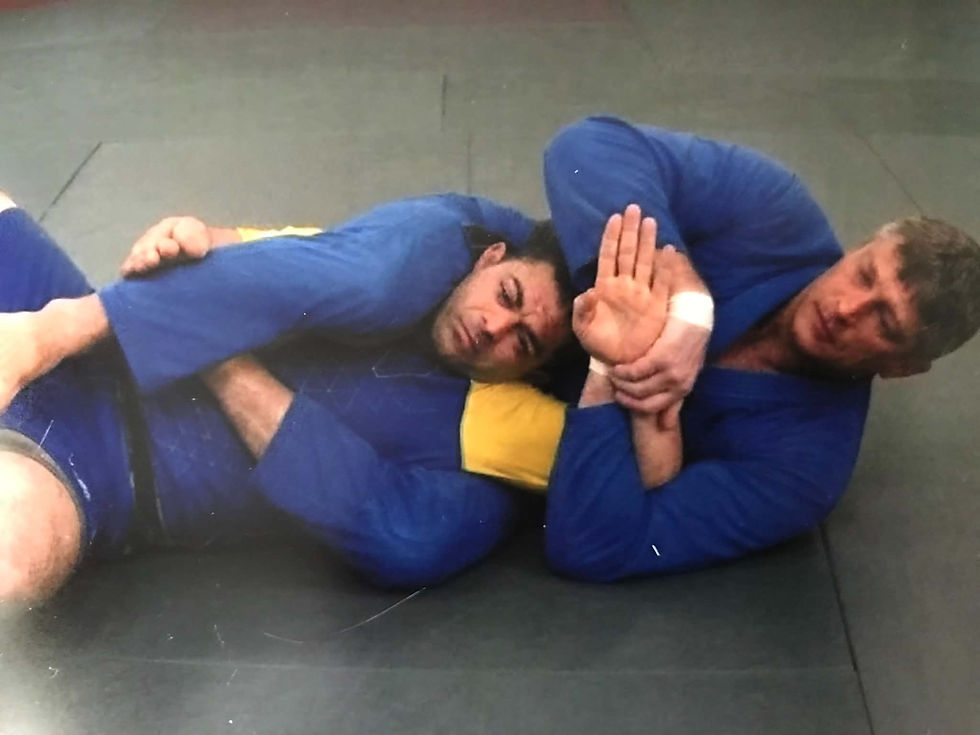
Kansetsu-waza
The art of joint manipulation. In Samurai Jujitsu, Kansetsu-waza is not merely about pain, but the systematic dismantling of an opponent's structural integrity through anatomical leverage.
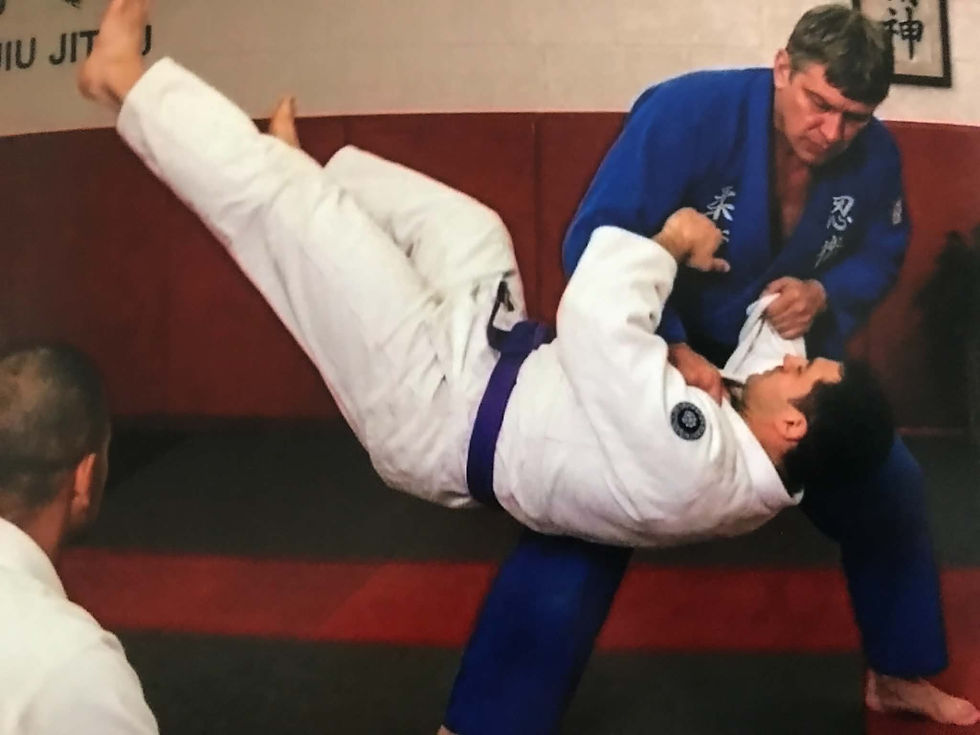
Nage-waza
Throwing techniques that utilize the opponent's momentum. Mastery requires perfect timing and the ability to find the precise center of gravity, resulting in a devastating transition to the ground.
These core technical foundations represent centuries of battlefield evolution. At Rusty Ort Martial Arts, we don't just teach moves; we build a strategic understanding of combat geometry and psychological pressure. Every joint lock, every throw, and every submission is a chapter in a long history of survival and mastery. Our training ensures that you possess the technical agility and tactical dominance required for high-level combat.
HISTORY IN PHOTOS

