Kosen Judo: The Ground-Game Evolution of Japanese Grappling
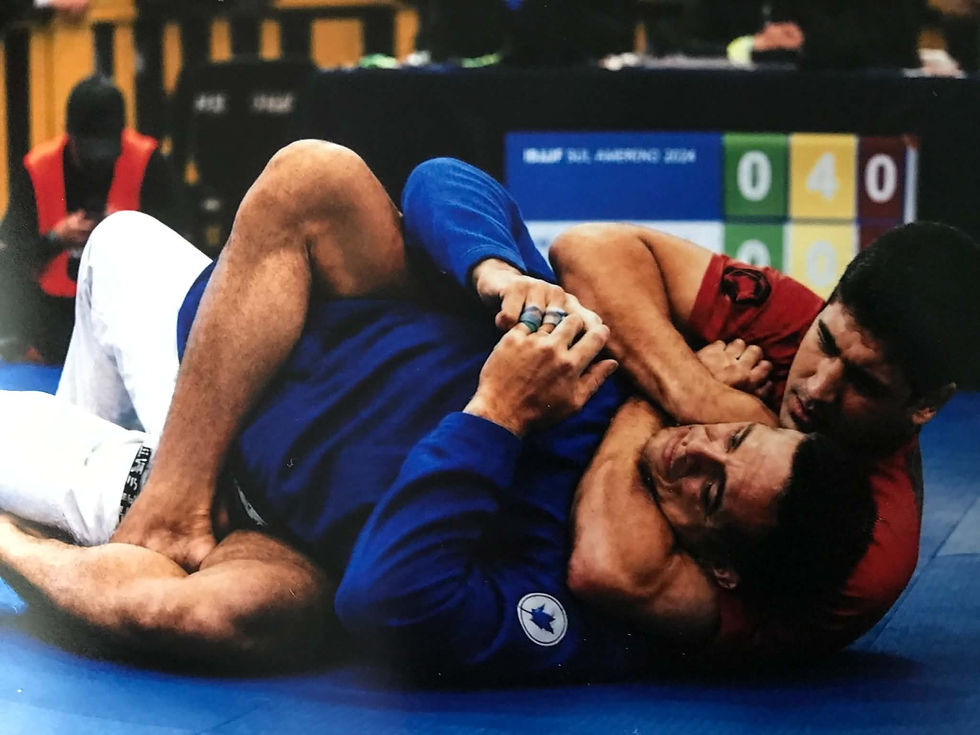
Pictured is my mentor and teacher Dr. Daeshik Kim, a grandmaster of Kosen Judo and the recognized father of collegiate martial arts. Holding a prestigious 9th dan in Judo plus 10th dan ranks in Hapkido and Taekwondo, he is a monumental figure. His mastery of ground-game evolution defined competitive standards and inspires all at Rusty Ort Martial Arts.

The Origins: University Rivalries and Strategy

What Makes Kosen Judo Distinct?
The term Kosen comes from Kōtō Senmon Gakkō (higher technical schools in pre-WWII Japan). Starting in 1898, these institutions began competing in annual intercollegiate Judo tournaments.
Because throwing techniques (Tachi-waza) carried a high risk of failure against well-trained opponents, university teams realized that ground fighting (Newaza) offered a far more reliable, strategic pathway to victory. Rather than spending years perfecting complex throws, athletes could drag opponents to the mat immediately and secure a submission or pin.
The Connection to Brazilian Jiu-Jitsu
Kosen Judo uses essentially the same technique catalog as classic Kodokan Judo, but its unique tournament rules drastically changed how the match was fought:
• Direct Pulling to Guard (Hikikomi)
• Minimal Referee Intervention
• Team-Style Competition (Kasen)
• Advanced Guard & Submission Arsenal

Kosen Judo Today
Kosen Judo plays a crucial role in modern martial arts history. Mitsuyo Maeda, the legendary Kodokan judoka who traveled to Brazil and taught the Gracie family—founding Brazilian Jiu-Jitsu (BJJ)—was heavily influenced by the ground-centric training methods popularized during the Kosen era.
While international Olympic Judo rules gradually restricted ground time throughout the mid-to-late 20th century to make the sport more spectator-friendly, Kosen Judo kept the original ground-game depth alive.
The Kosen Influence on BJJ
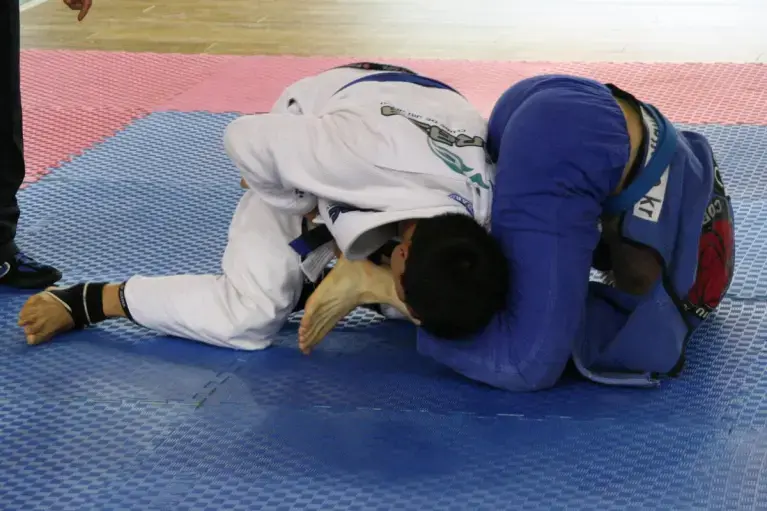
Brazilian Jiu-Jitsu owes much of its technical DNA to the Kosen Judo university tournaments of the early 20th century. While Kodokan Judo evolved toward spectacular throws suited for competition, Kosen practitioners specialized in 'Hikikomi' (pulling to guard) and a sophisticated submission arsenal. Mitsuyo Maeda, the Kodokan envoy who taught the Gracie family, was a product of this golden age of ground-fighting innovation, ensuring that Kosen Judo's strategic depth became the cornerstone of modern grappling.